
Canadian Statistics
Canadian Statistics
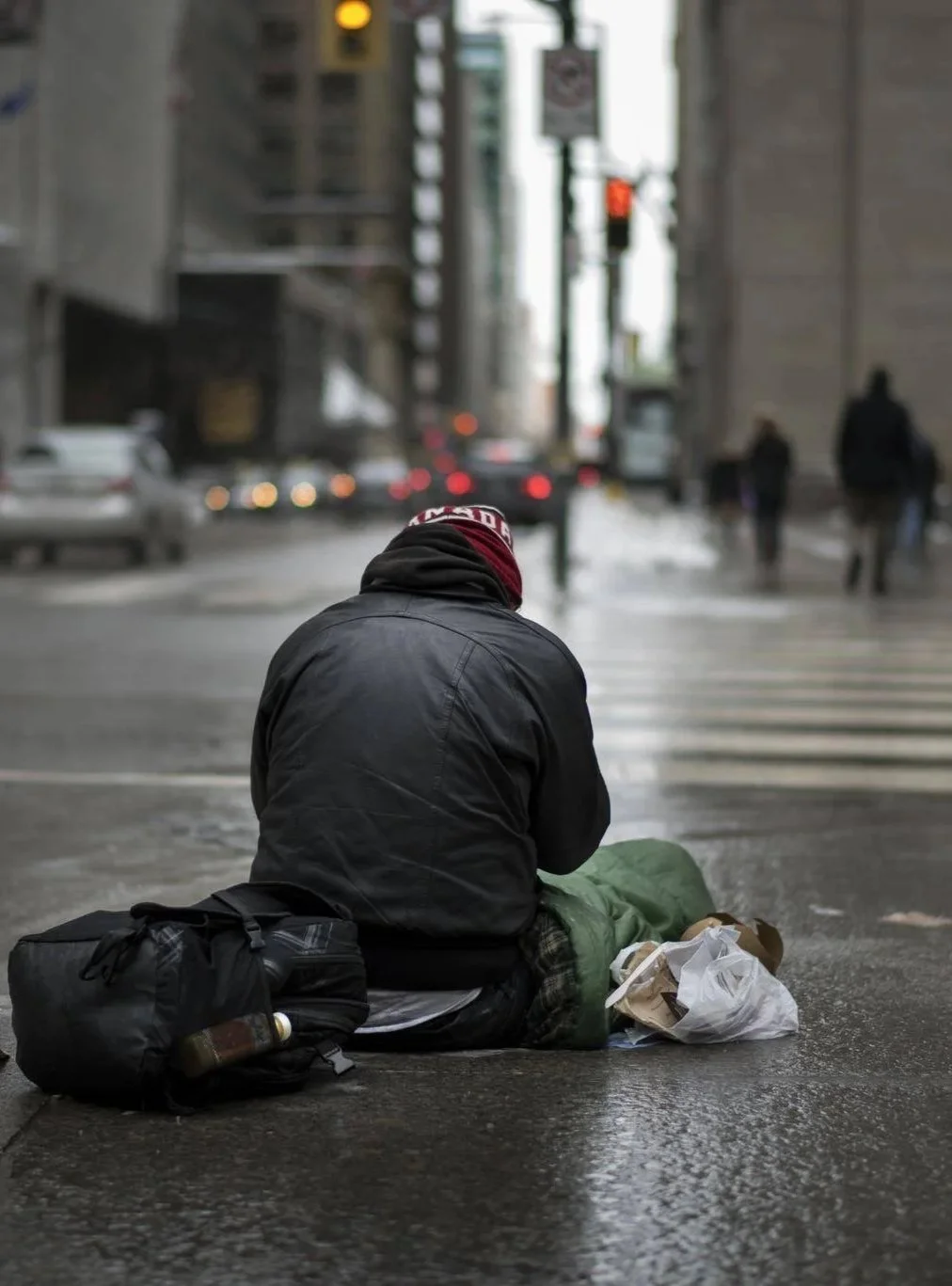
HOMELESSNESS
The Canadian Observatory on Homelessness defines homelessness as “the situation of an individual, family, or community without stable, safe, permanent, appropriate housing, or the immediate prospect of means and ability of acquiring it.”
Importantly, “the definition of homelessness recognizes overrepresentation of Indigenous Peoples (including First Nations, Inuit, and Métis) amongst Canadian homelessness populations necessitates the inclusion of their historical, experiential, and cultural perspectives, as well as the experience with colonization and racism, in their consideration of homelessness. In addition, numerous populations, such as youth, women, and gender diverse people, experience homelessness due to a unique constellation of circumstances and as such the appropriateness of community responses has to take into account such diversity.”
Access the Canadian Observatory on Homelessness’ Definition of Homelessness here.
Access the Canadian Observatory on Homelessness’ Definition of Indigenous homelessness in Canada here.
Homelessness in Canada (2020/2022)
32,000 Canadians were homeless on any given night
Over the course of a year, an estimated 265, 000 to 300, 000 Canadians experience homelessness at least once.
Homelessness Across a Single Night in Canada
KEY FACTS
Indigenous people are over-represented amongst homeless populations.
Women, youth, and LGBTQ+ individuals face unique challenges and often have more difficulty accessing resources.
People experiencing homelessness are at higher risk of victimization, including:
Physical Assault
Sexual Assault
Theft
Mental Trauma
33% of homeless women experience major violence.
Homeless men are 9x more likely to be murdered, than housed men.
GENDER-BASED IMPACTS
Some people experiencing homelessness earn money by
Collecting recyclables (“binning”)
Panhandling
Receiving government assistance
They are more likely to be charged with property-related offences, often while trying to meet basic needs.
INCOME AND CRIME
SUBSTANCE USE AND MENTAL ILLNESS
Substance use and mental illness can make a person more likely to commit crimes or be arrested while homeless.